Table Of Content
A review study published in 2022 found that it significantly increases hair diameter and hair count in patients with several types of alopecia. It typically isn’t covered by insurance, and it can be expensive, Mirmirani says. You should only take biotin, iron, or zinc when your blood test shows that you have a deficiency. If your levels are normal, taking a supplement can be harmful. For example, if you take too much iron, you can develop iron poisoning. If your blood test reveals that you’re not getting enough biotin, iron, or zinc, your dermatologist may recommend taking a supplement.
Best Hair Growth Vitamins of 2024 - Healthline
Best Hair Growth Vitamins of 2024.
Posted: Mon, 25 Mar 2024 07:00:00 GMT [source]
Best for Dry Hair: Divi Scalp Serum
Ask your dermatologist about possible side effects that you might experience while taking one of these medications. Your dermatologist may prescribe another medication to treat FPHL, such as finasteride (fi-NAS-ter-ide), flutamide(flu-TA-mide), or dutasteride (doo-TAS-ter-ide). A dermatologist may prescribe one of the following medications to treat FPHL.
Causes of hair loss in women
Losing Your Hair After COVID-19? There Is Good News - University of Utah Health Care
Losing Your Hair After COVID-19? There Is Good News.
Posted: Tue, 15 Mar 2022 07:00:00 GMT [source]
Finasteride inhibits 5 alpha-reductase, blocking the conversion of testosterone to dihydrotestosterone (DHT), the androgen responsible for male pattern baldness. In hair transplant surgery, pieces of scalp tissue with the hair attached are typically taken from one area of the scalp and moved to areas of baldness. A 2020 study tracked 79 women taking spironolactone daily (doses ranged from 25–200 mg) for a minimum of 6 months. Nearly two-thirds of participants experienced some kind of improvement after 1 year. Those who began the trial with more pronounced hair loss saw the most benefit from the medication.
What causes you to lose your hair, what you can do about it and how to get it back
Your doctor or a hair-growth expert will be able to work with you to craft a customised plan. Telogen effluvium describes having more than 10 percent of your hair in the telogen phase. Telogen effluvium is temporary, but more hair will fall out while you have it. Stress, surgery, or even having a fever for a few days can bring on telogen effluvium, but your hair will probably be back to normal within six months. The hormonal changes from menopause can cause your stress levels to rise. When that happens, it can be difficult to rebalance the hormones.
What is female pattern baldness?
Because hair is constantly falling out and growing, hair loss often goes unnoticed. You're more likely to notice it when a lot of hair enters the resting phase at the same time or if hair roots become damaged during the growth process. This usually isn't noticeable because new hair is growing in at the same time. Hair loss occurs when new hair doesn't replace the hair that has fallen out. In the type of patchy hair loss known as alopecia areata, hair loss occurs suddenly and usually starts with one or more circular bald patches that may overlap. Before pursuing hair loss treatment, talk with your doctor about the cause of your hair loss and treatment options.
Alopecia areata is an autoimmune condition that causes your immune system to attack hair follicles, resulting in bald patches that can range from small to large. Male pattern baldness typically involves progressive hair loss above the temples and thinning at the crown of the head, creating an “M” shape. Losing your hair — whether the hair loss is temporary or permanent — can be emotionally difficult for many people. Some types of hair loss can eventually lead to baldness. Once the stress goes away, your hair may get back to normal in 6-9 months. Otherwise known as Aldactone, spironolactone works to treat hair loss by acting on hormones.

Stress and certain health conditions may cause increased shedding. A newer therapy for hair loss is known as microneedling. Microneedling can be done in a dermatologist's office or at home.
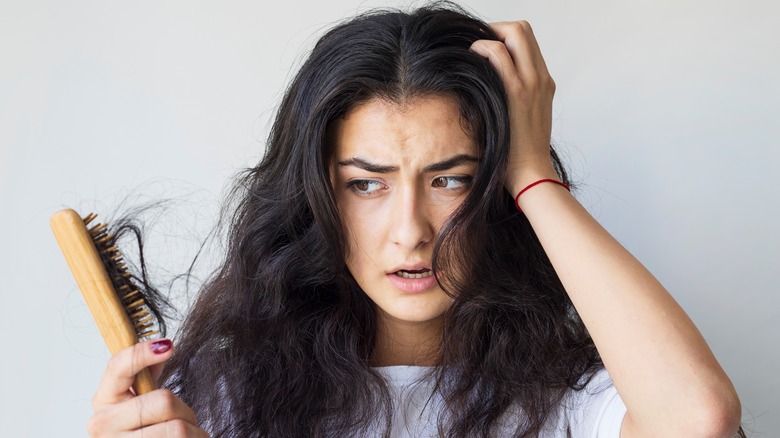
Physical, mental, or emotional stress, along with certain medications, can cause larger-than-normal amounts of hair follicles to push into the resting phase of the hair cycle. When this occurs, as much as 70% of scalp hair can fall out, often in handfuls, around two months after the trigger. Even if your hair loss is hereditary, there are treatments that exist that can help slow or reverse hair loss. If possible, talk with your doctor to address your concerns and rule out any serious underlying medical concerns that may be causing your hair loss. The FDA has approved a few laser treatment devices to treat hair loss at home. But we need more studies into their safety and effectiveness for long-term use.
Hair Loss Trigger: Tight Hairstyles
Most hair-loss plans, according to Morrell, are slow to show results and can require a minimum of three to six months to produce any noticeable change. ‘What is surprising with the Advanced Hair System is how much quicker we see results,’ she says. The hair-restoration program is designed to be used for six weeks (though Morrell sometimes recommends a second series in advanced cases). After the series is complete, she suggests using the treatment one to two times per week or even once a month for upkeep.
Menopause usually affects women between the ages of 45 and 55. Stress causes a large number of hairs in the active hair growth (anagen) phase to abruptly enter the resting (telogen) phase. When the hairs reenter the growth phase, the hairs that had been suspended in the resting phase are suddenly released. Below, we’ll explore common causes of hair loss in women and the treatment options available. This article will focus primarily on hair loss in cis women.
Speak with a doctor about any troubling hair loss, shedding, or thinning you may be experiencing. Your doctor can help determine the cause of your symptoms and put together a treatment plan. Doctors sometimes prescribe other treatments off-label to reduce the incidence of hair loss in women. Androgenic alopecia causes the normal hair growth cycle to shorten. As a result, hair doesn’t grow as long or thick as it normally would. Women may experience hair loss during menopause due to reduced production of the hormones estrogen and progesterone.
Treatment options for menopausal hair loss can include medication such as Rogaine and procedures like microneedling. It can also include lifestyle changes, including reducing stress, exercising, and eating a healthy diet. Being kind to your hair by avoiding harsh hair-care practices can also encourage a healthier scalp and less hair loss.
That said, there are a number of possible medications and treatments for hair loss caused by female-pattern baldness and other alopecias. Some women may even notice hair growth changes after going off hormonal birth control pills. Hormonal changes of any kind, particularly falling estrogen levels, can temporarily disrupt the hair life cycle. Triggers range from medical conditions -- as many as to stress and lifestyle factors, like what you eat. As a starting point, hair loss experts suggest you get tested for thyroid problems and hormone imbalances. It’s important to talk to your healthcare provider before starting any form of treatment for hair loss.
Some research connects excess intake of vitamin A or selenium with an increased risks for hair loss. They may also order blood tests to check for any nutrient deficiencies or signs of an underlying condition. For the purposes of this article, we use “male” and “female” to refer to a person’s sex assigned at birth. If you're pregnant, planning to become pregnant, or breastfeeding, ask your doctor before taking minoxidil. It may be harmful to your unborn baby and can pass through breast milk to a nursing infant. Your doctor gently scrapes skin samples from your scalp and sends them to a lab for testing.
See a dermatologist as soon as possible when you notice hair loss. The sooner you get treatment, the more effective it’ll be. These changes happen due to varying levels of hormones during menopause. For instance, if your hair tends to be dry, then “look for serums that contain oils to help hydrate the dry hair shaft,” says Dr. Shaver. Start with a small area of clean, dry hair, and run your fingers through it, tugging gently once you get to the ends of your hair strands. If more than two or three hairs are left in your hand after each tug, you may be experiencing telogen or anagen effluvium.
The information in this article will also apply to you if you were assigned female at birth and have never had hormone replacement therapy (HRT). Trans women and trans men who have used HRT may have additional risk factors for hair loss that are not covered here. If you have polycystic ovary syndrome (PCOS), your hormones are always out of whack.


No comments:
Post a Comment